


Describe a typical day for you:
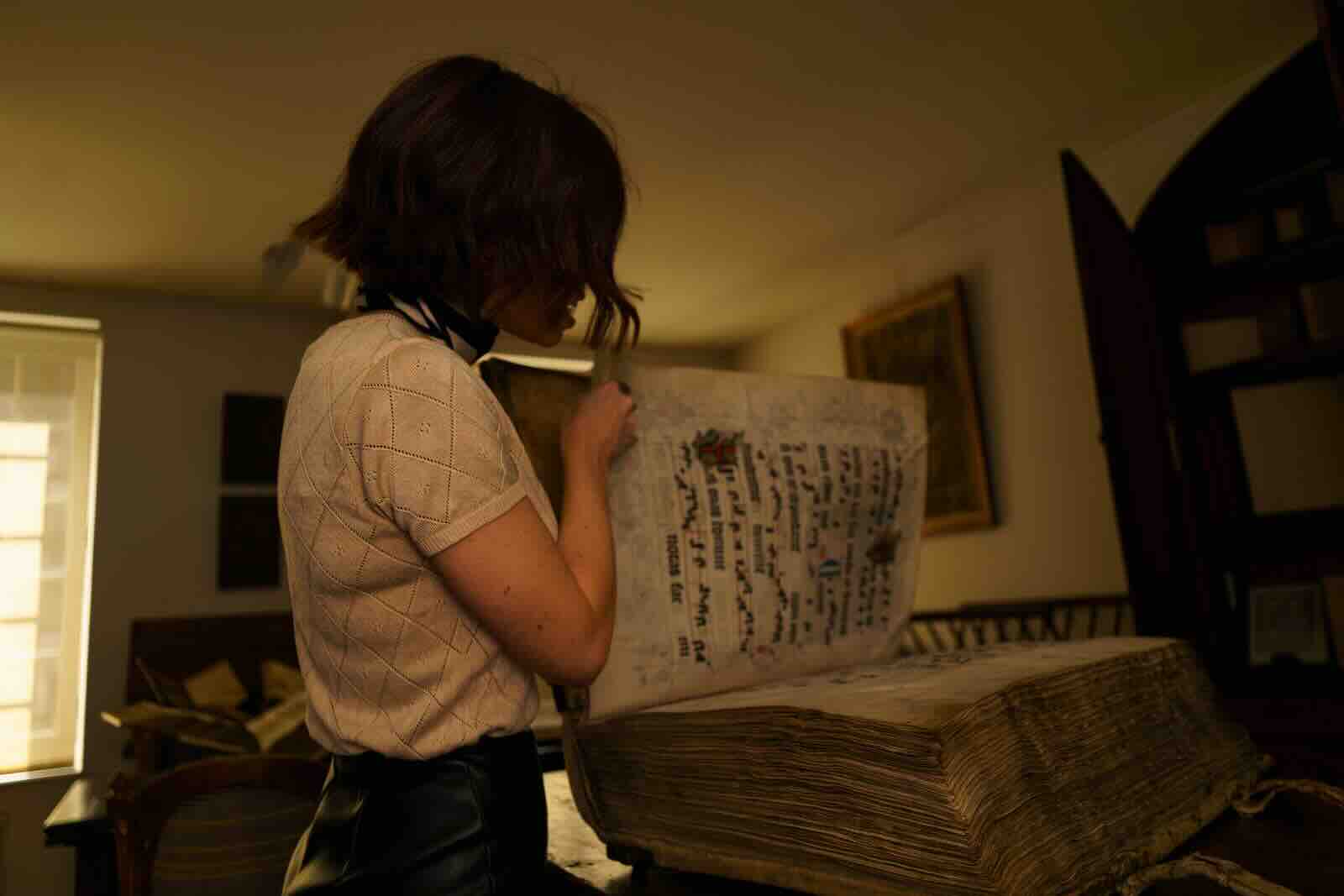
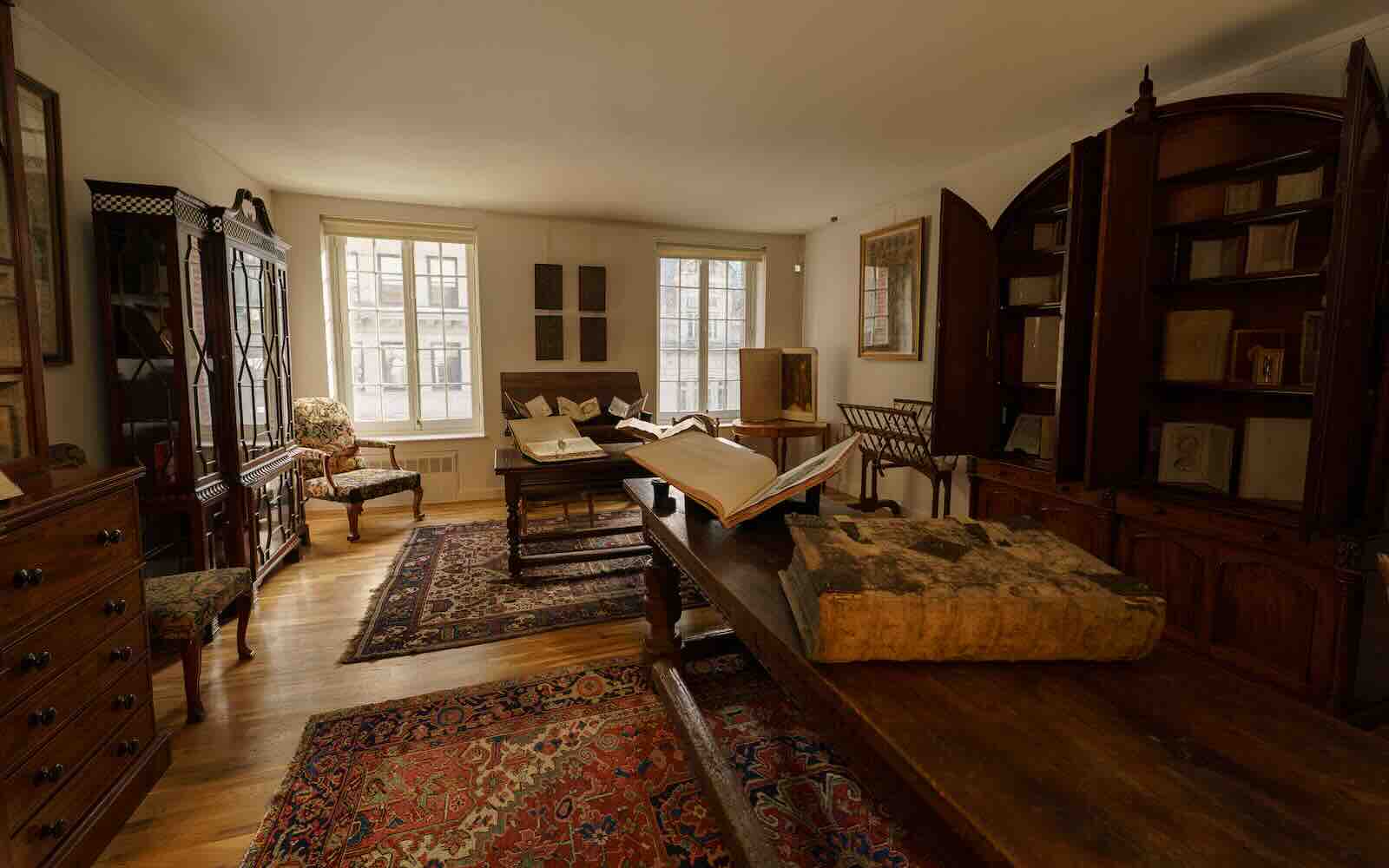
I like to catch up on correspondence and requests for information first thing in the morning while my mind is fresh. Then I’ll review whatever projects we have going on: a book fair, some potential gallery improvement, maybe a collection of books being offered to us or something new we want to do with the website…it’s always something different. We have a wonderful intern with us a couple days a week. Whenever she’s in, we’ll work together on photography, social media, and prepping for exhibitions. If there’s time after lunch, I’ll have a little walk over by Central Park. We’re only half a block away, just past the Pulitzer Mansion, so it’s really a crime not to enjoy it whenever the weather is nice. In the afternoons, I’ll dive into inventory and cataloging needs. At any point, we might have a guest with an appointment to look at some books or a walk-in visitor. I’m always happy to see both.
Favorite rare book (or ephemera) that you’ve handled?
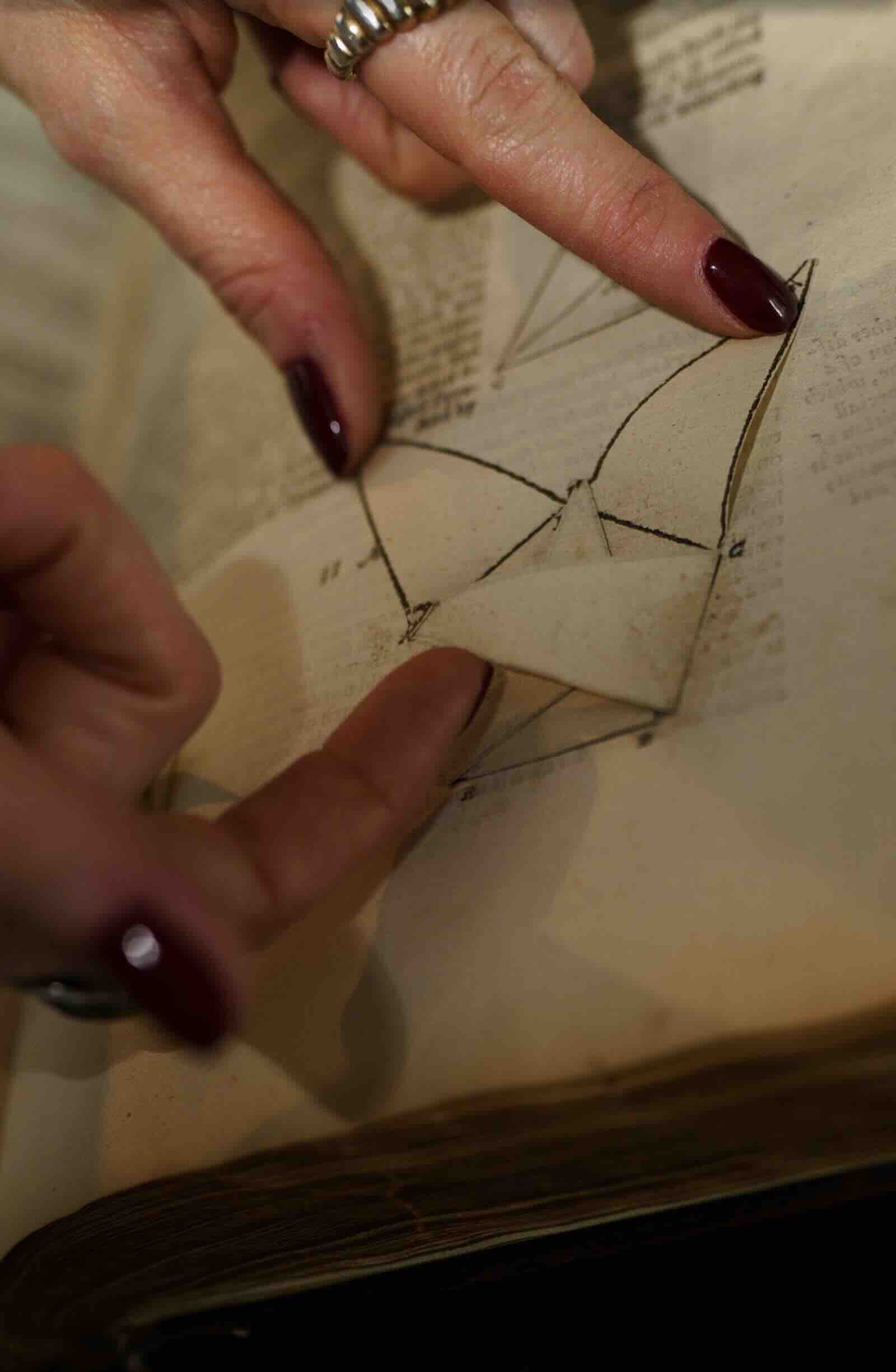
There’s one book that always sticks with me. I’d only been in the trade for about a year when the Vershbow collection came up at Christie’s in 2013. It was a spectacular collection of illuminated manuscripts and early illustrated works, and I was really excited to preview the auction. One of the books there was De Claris Mulieribus, one of the most beautifully illustrated books of the incunable period. The title can be translated as “Concerning Famous Women” – it’s an early encyclopedia of women with short biographies corresponding to woodcut illustrated portraits of them. It has all the ladies, from the Holy Virgin to Cleopatra and Pope Joan to Joan of Arc. It also includes some contemporary women and their portraits are the first genuine portraits to appear in a printed book. I had never seen a copy before so I was really awe-struck. I remember having the distinct thought, “gosh, I would love to place a book like that in a collection one day.” Fast forward to a decade later and that very same copy ended up in my hands, along with the opportunity to offer it to a collector who I had been helping to build a marvelous collection of early printed illustrated works, so I got to place one of my dream books in my dream collection.
What do you personally collect?
My eyes are always open to books and objects that delight me. I have some early 20th century travel books from when I lived in Italy, artworks and artists’ books made by friends, a curious little collection of rare volumes from a summer when I got really into dreamwork, Jung and tarot, some folk art found in chaotic estate sales, lots of books about art, and books about books too. My apartment is becoming a museum of my experiences.
I’ve ended up with a couple shelves that seem to be all books by women who were either unapologetically themselves and/or aggressively imagining a more beautiful, just world. There’s my Jane Jacobs’ Death and Life of Great American Cities, Gloria Steinem’s The Beach Book, Hilma Af Klint notebooks, June Jordan’s poetry, signed Etel Adnan with her little crescent moon. And with them, the only signed first edition of Marjorie Hillis’ Live Alone and Like It that I’ve ever seen. She was an editor at Vogue when she published it in 1936, when very few women were of the much-maligned sisterhood of those who lived independently. It was a bestseller and gave a generation of young women the permission to cast off other people’s expectations of them and their worth, and to create a way of life that was meaningful to them.
What do you like to do outside of work?
I live in New York City so there’s no end to the variety. In the past couple weeks, I’ve visited the Cloisters with a bookseller friend, went to a magic show at 69 Atlantic, wandered around Green-Wood Cemetery with a medievalist talking about gothic architecture. Sometimes I’m just at home with my cat Puck tending to my indoor garden and reading Don Quixote, which I’m currently doing with a few other ladies in the trade. I’m also learning Arabic.
When I can manage a few days off in a row, I usually travel to sites of some historical or spiritual interest. My most recent trip was to the Aran Islands off the coast of Ireland, where I spent days biking around prehistoric forts, Celtic ruins and scenery teeming with charismatic animals. The landscape is sublime. Not a lot of people know that it was once a significant pilgrimage site on par with Rome and Jerusalem, but you can feel it when you’re there.
Thoughts on the present state and/or future of the rare book trade?
There’s a line in one of Anna Kavan’s letters in which she refers to “the inchoate fluidity of a time when culture as previously known is almost certainly ending.” I think about that line a lot when people ask me about the future of the book trade. It sounds a bit dramatic at first, but I like how she describes the fluidity of it. She was writing during WWII, which was at once a time of mass censorship and also one in which we saw new forms of art responding to the strangeness of the times.
While we’re witnessing outright attacks on education and knowledge – which have the potential through myriad ways to affect both the present and future of the trade – there’s a very interesting ripple effect in the ever-expanding appreciation for the diversity of print culture. I think we’re seeing more dealers, curators and collectors that are either entirely devoted to previously neglected corners – sometimes entire print cultures – that may not have been deemed worthy of being collectible before, or at the very least folding them into more eclectic collections. When I think about that fluidity, I’m more optimistic about the rare book trade than the state of the world.
Any upcoming fairs or catalogs?
I look forward to participating in Master Drawings New York, which coincides with the major Old Masters auctions from around January 30 to February 7. It’s a week of open galleries and adjacent events that all feature the intrinsic role of drawing in the creative process. We’ll have some really marvelous drawing-books on display. One is a dreamy book of fifty imaginary cities drawn for the Doge of Venice in the late 16th century, very much in the spirit of Italo Calvino’s Invisible Cities. Another is a book of Sistine Chapel studies from a contemporary of Michelangelo, all luxuriously sketched in lapis lazuli, sepia and sanguine, preserving the original designs before they were painted over with fig leafs and loin cloths.
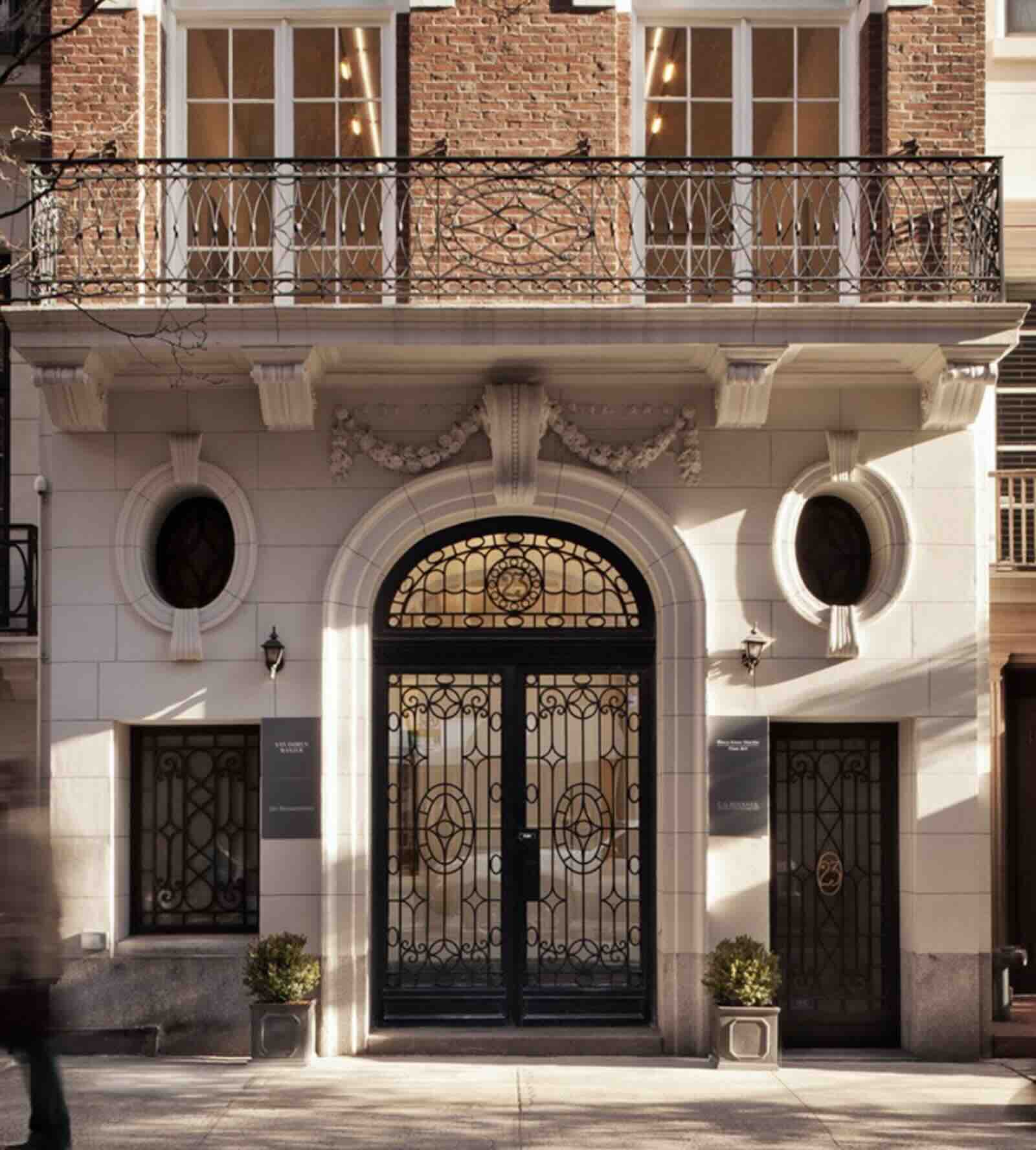
And if it hasn’t sold yet, a personal favorite right now is our 19th century album of drawings from the self-taught Peruvian artist Pancho Fierro. It’s a brilliant and subtly dramatic record of the inhabitants of Lima from the perspective of an indigenous artist, at a time when most of the known visual representations of the culture were through the European gaze. The color is extraordinary and all the scenes have these wonderfully charming descriptions penned alongside. So definitely come visit us then! Or visit us any time: we’re right between the Frick and the Breuer building at 23 East 73rd street, and we’d love to show you our books.