Future of Priceless 'Haud Nominandum' LGBTQ+ Collection Secured
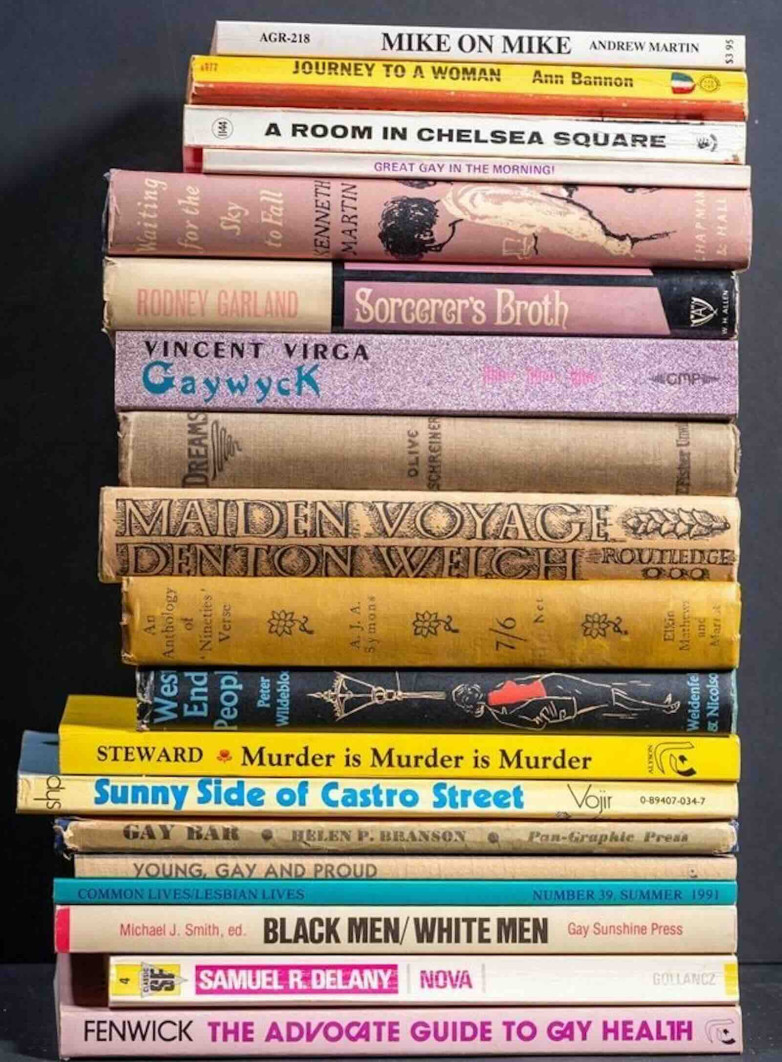
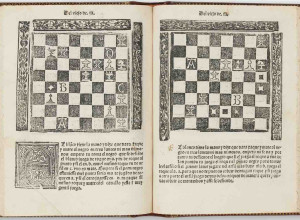
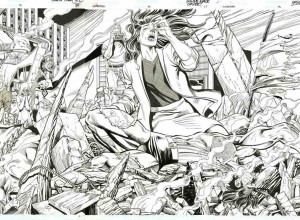
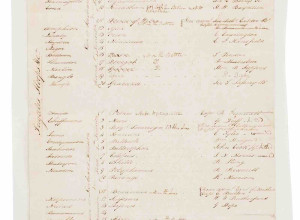
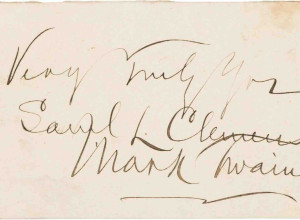
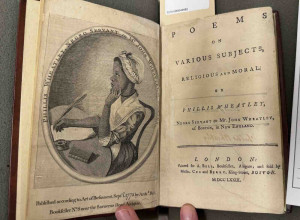
Some of the Haud Nominandum items that will now be made accessible



A £250,000 grant from The National Lottery Heritage Fund will ensure access to a unique historic archive of LGBTQ+ literature held at Senate House Library in London.
The Haud Nominandum collection (roughly ‘that which cannot be named’ in Latin) was bequeathed to the library by bookseller, gay rights campaigner and founder of Gay’s the Word bookshop Jonathan Cutbill on his death in 2019. It is one of the largest and most significant collections of printed queer literature in the UK and the largest known personal collection of English-language LGBTQ+ materials in the world.
Cutbill collected around 30,000 items of LGBTQ+ relevance dating from 1760s to the 2010s including literature, social science and history, alongside letters, notes, pamphlets and newspaper cuttings. The collection ranges from canonical literary texts and mainstream gay romance to community newspapers like Mancunian Gay and Gay Midlands which acted as vital resources for connecting isolated gay individuals during the 1970s and 1980s.
Several of the items were among those seized during the 1984 ‘Operation Tiger’ raids when UK Customs and Excise officers confiscated over 140 titles and thousands of pounds worth of stock from Gay's the Word, deeming them "indecent or obscene". ‘Operation Tiger’ ignited a fierce legal battle and a nationwide defence campaign that united publishers, bookshops, writers and activists in a fight against state censorship. Following a two-year legal battle all charges were dropped.
The project will support two cataloguers and one intern who will catalogue all 30,000 items in the collection and digitise highlights for online access, and will allow visitors to study, interpret, and enjoy the collection which is important for the LGBTQ+ community across the UK and also more locally in the Bloomsbury area where Gay’s the Word is located. As part of the grant, Senate House Library will host an exhibition on the collection.
“The creation of LGBTQ+ literature, especially the earlier pioneering publications, were acts of articulation, defiance and self-realisation during a time of institutionalised socio-political hostility, persecution and homophobia," said Gay’s the Word Manager Uli Lenart. "These books are the roadmaps of a profoundly negated minority community on the long and rocky road to equality. These books need to be made accessible to new generations of LGBTQ+ and non-queer identifying writers, researchers, creators and historians.”