Which Book on Your Shelves is Special to You Because of Provenance?
Is there a book in your library that is especially dear to you because of its provenance, either historical or personal?
Don Ahlgren
Alive by Piers Paul Read



That was the question we asked subscribers to Fine Books & Collections and here is a selection of their answers:
Don Ahlgren
Alive by Piers Paul Read
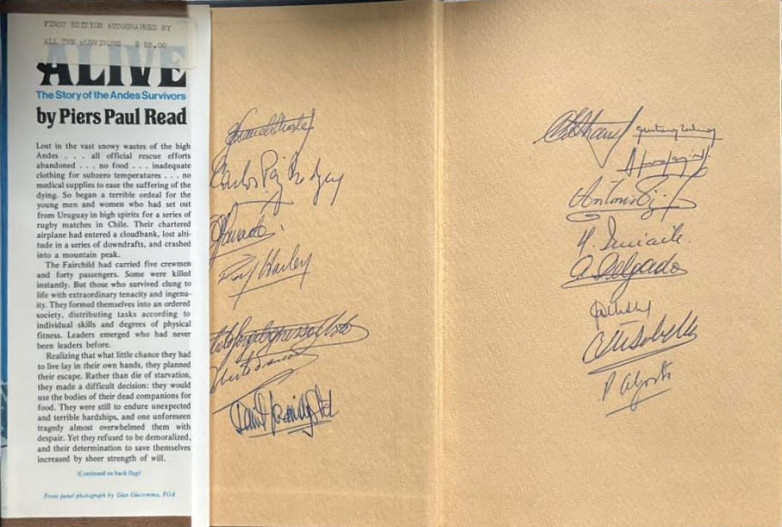
Like everyone else, I was fascinated by the story of the Uruguayan rugby team that crashed in the Andes. At the time the book came out I was working for a bank down the street from the Chinook Bookstore. The store was owned by Richard Noyes and his wife. Mr Noyes was president of the American Booksellers Association at the time, and he was sent a first edition copy of Alive, by Piers Paul Read, signed by all sixteen of the survivors. He displayed it on the counter, and when I came in on my lunch break, I said that’s the book I want. Then they told me it was signed, which sealed the deal. Being retired after 44 years in the book business, I have never seen another copy with all the signatures. —Don Ahlgren
Bits From An Old Bookshop
Brian Quast
Bits From An Old Bookshop
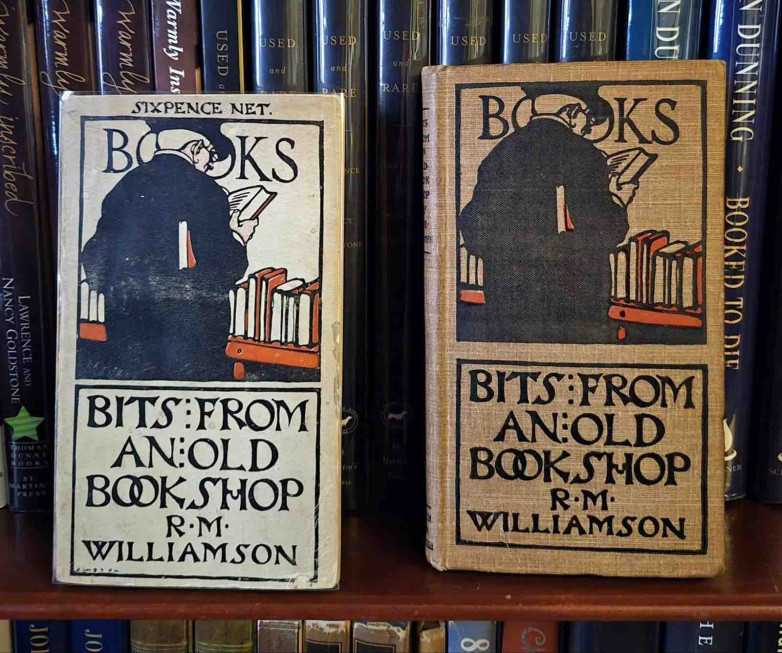
Bits From An Old Bookshop was a "white whale" title that I'd chased for several years, until I bought a softcover copy from the wonderful Chicago antiquarian bookseller Bibliodisia Books (for a very fair price) earlier this year. That spurred me to focus my search for a hardcover copy online & 2 days later, I found a beautiful copy on Amazon UK of all places—also for a good price. I've been smiling ever since!! —Brian Quast
The Way of the Wind
Nicole Neenan
The Way of the Wind
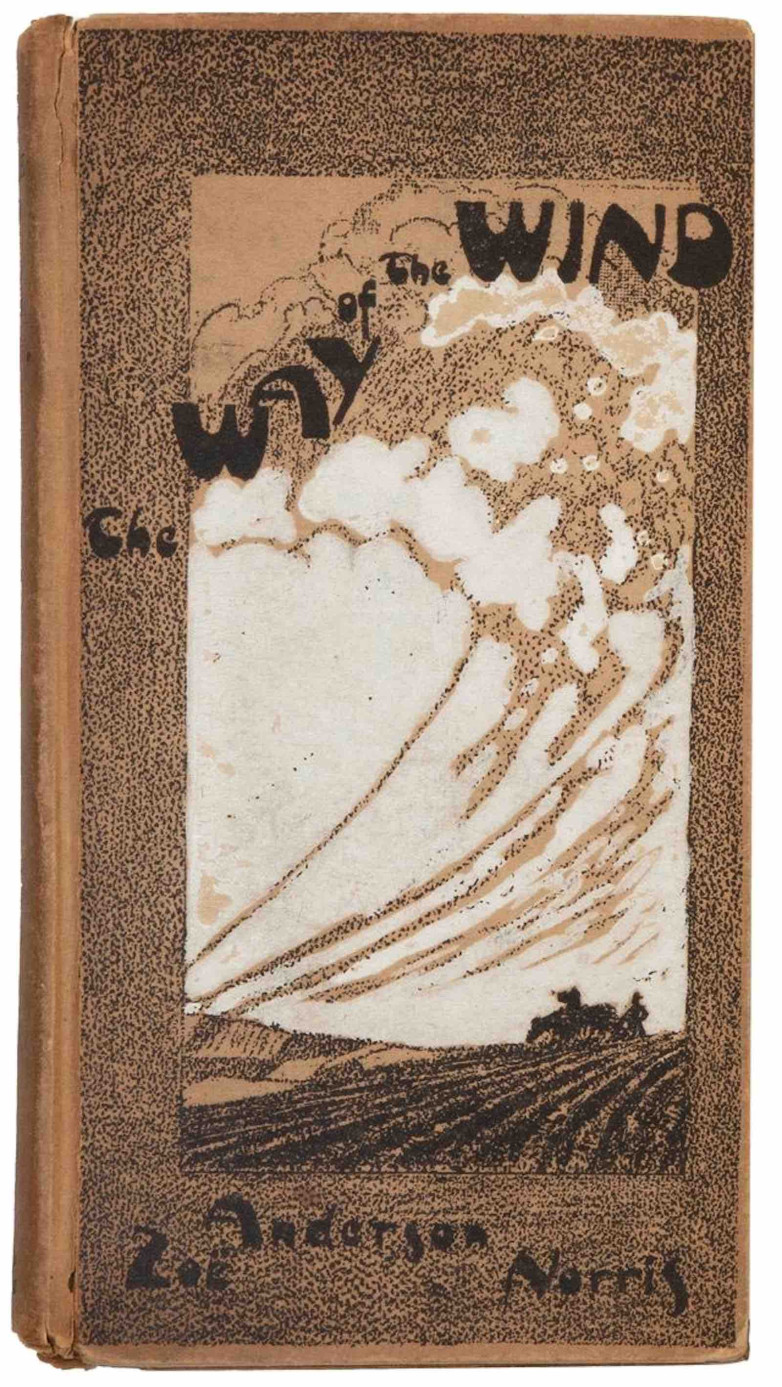
In researching my book Queen of Bohemia Predicts Own Death: Gilded-Age Journalist Zoe Anderson Norris (Fordham U. Press, 2025) I amassed mounds of publications and ephemera related to Zoe (1860-1914), as everyone called her (I exhibited part of the collection at the Grolier Club in 2023, see Fine Books & Collections, Spring 2023). A Kentucky belle turned Manhattanite journalist, novelist, publisher, and reformer, Zoe documented immigrant poverty in her own bimonthly magazine, The East Side, and socialized with fellow bohemians known as the Ragged Edge Klub. Among my collection's Zoe-inscribed jewels is her self-published 1911 novel The Way of the Wind, which belonged to Richard Le Gallienne, a poet and Klub member. —Eve Kahn
William Everson
Courtesy of Peter Thomas
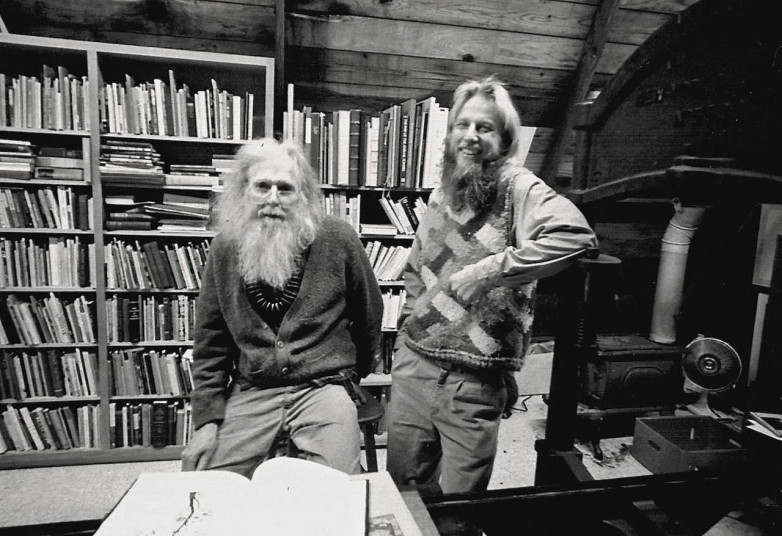
William Everson (left) and Peter Thomas
I worked with William Everson when I was in college, and after graduating, and setting up our press Donna and I printed two books of his poetry, The Poet is Dead and the The Tarantella Rose. The book I consider most special is William Everson’s A Privacy of Speech. It was his personal copy, and I bought it at the PBA auction when they were selling his personal library after he passed away. I had carefully studied that book and took inspiration from it when designing and printing the Tarantella Rose. —Peter Thomas
The Song of the Cardinal
Susan Houchin
The Song of the Cardinal
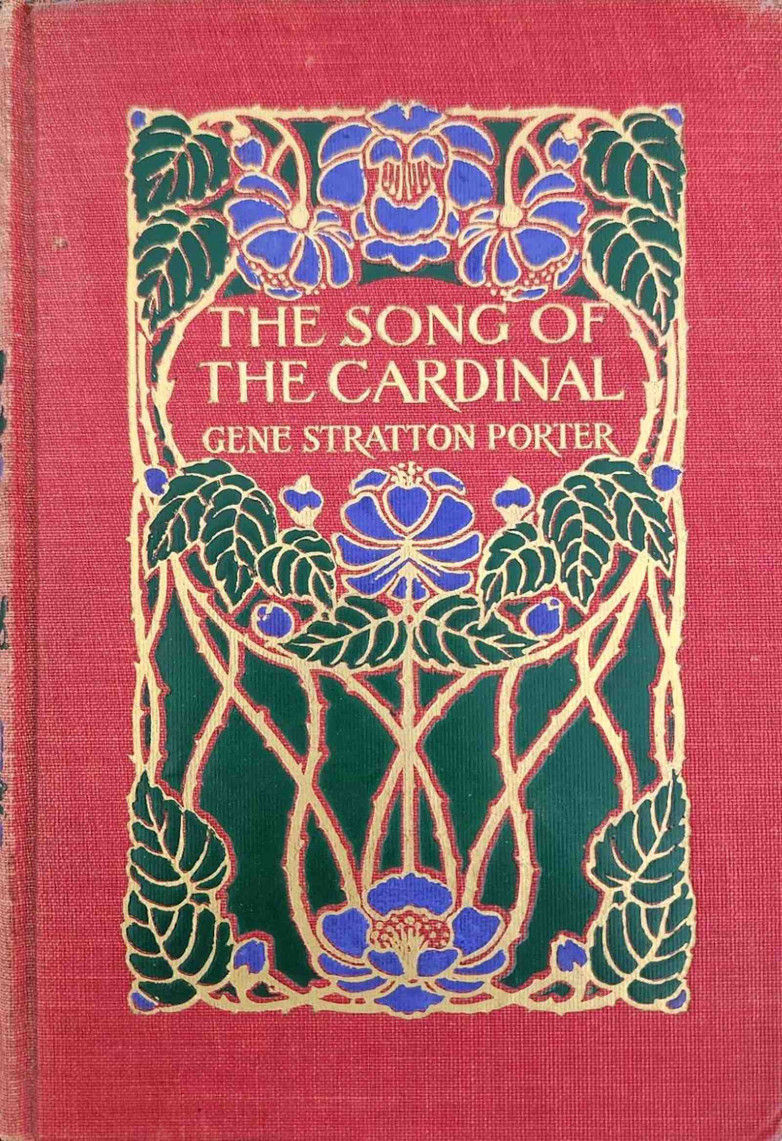
I collect Margaret Armstrong-designed covers on books. I have been collecting these books for the past three years, and my most recent acquisition The Song of the Cardinal by Gene Stratton Porter is quite pretty. As a young teen, I read many of Porter's books and have traveled to her home site in Indiana. So, when I learned that Margaret Armstrong had designed a cover for this Porter book, I was very happy to have it. —Susan Houchin
Men Without Women
Taylor Kirkpatrick
Men Without Women
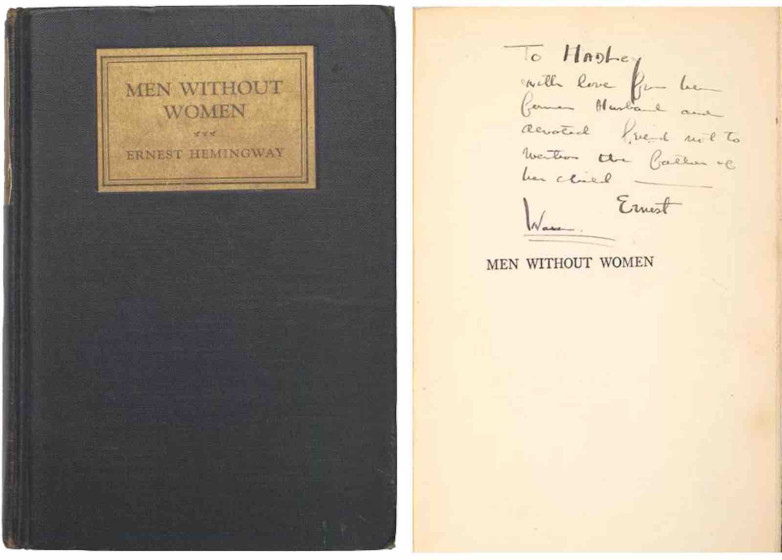
One book in my library that stands out for both its provenance and emotional resonance is a first edition of Men Without Women (New York: Charles Scribner’s Sons, 1927), inscribed in black ink: "To Hadley / with love from her former husband and devoted friend, not to mention the father of her child -- / Ernest." You will recall that Hemingway's divorce from Hadley Richardson was finalized in January 1927, following their separation in late 1926 due to his affair with Pauline Pfeiffer. The collection was published that October, making this particular copy and poignant inscription a powerful artifact from a deeply transitional moment in Hemingway’s life. —Taylor Kirkpatrick
Songs of the Doomed
Mark Huffman
Songs of the Doomed
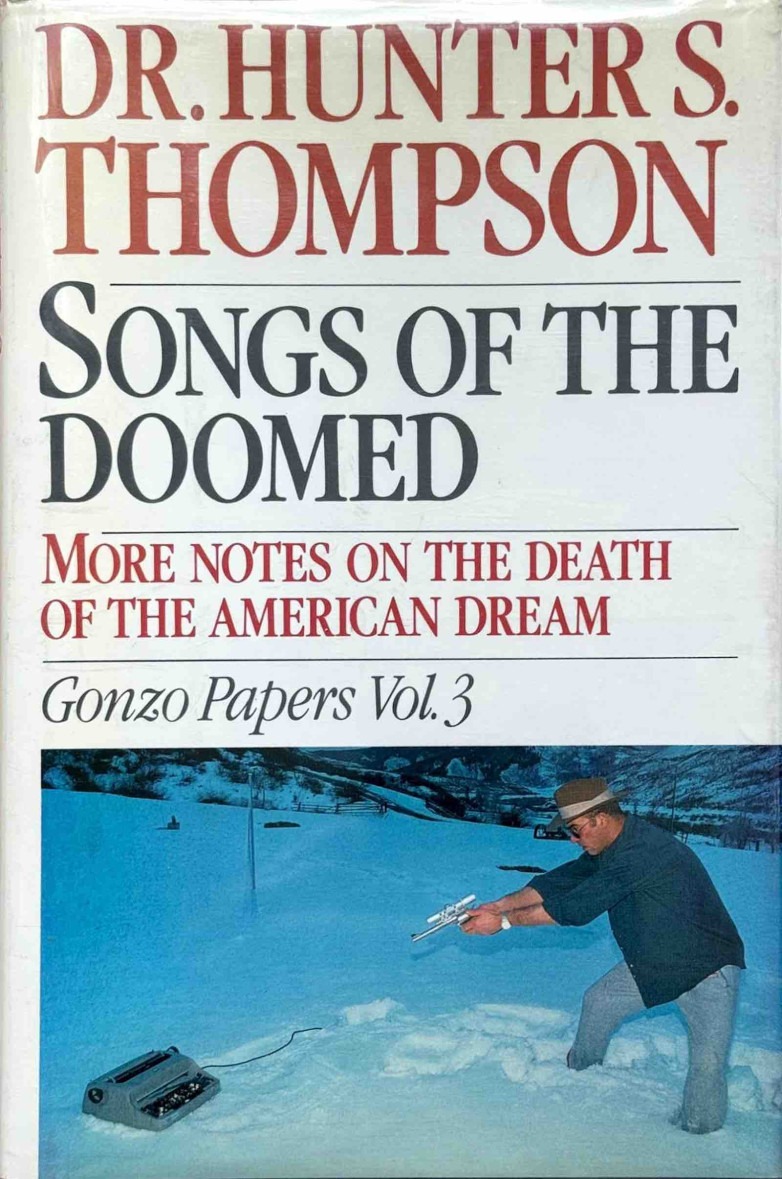
Hunter Thompson’s Songs of the Doomed includes, on page 301, a story I wrote for the Aspen Times Daily about the end of a prosecution against the Gonzo journalist whom I knew from my newspapering work. When I was leaving Aspen, Hunter inscribed my copy in a way that captured his style and why he was so popular. Probably the best book I own, not because of the book but because of the dedication. —Mark Huffman
The Song of Hiawatha
Theodore Craig
The Song of Hiawatha
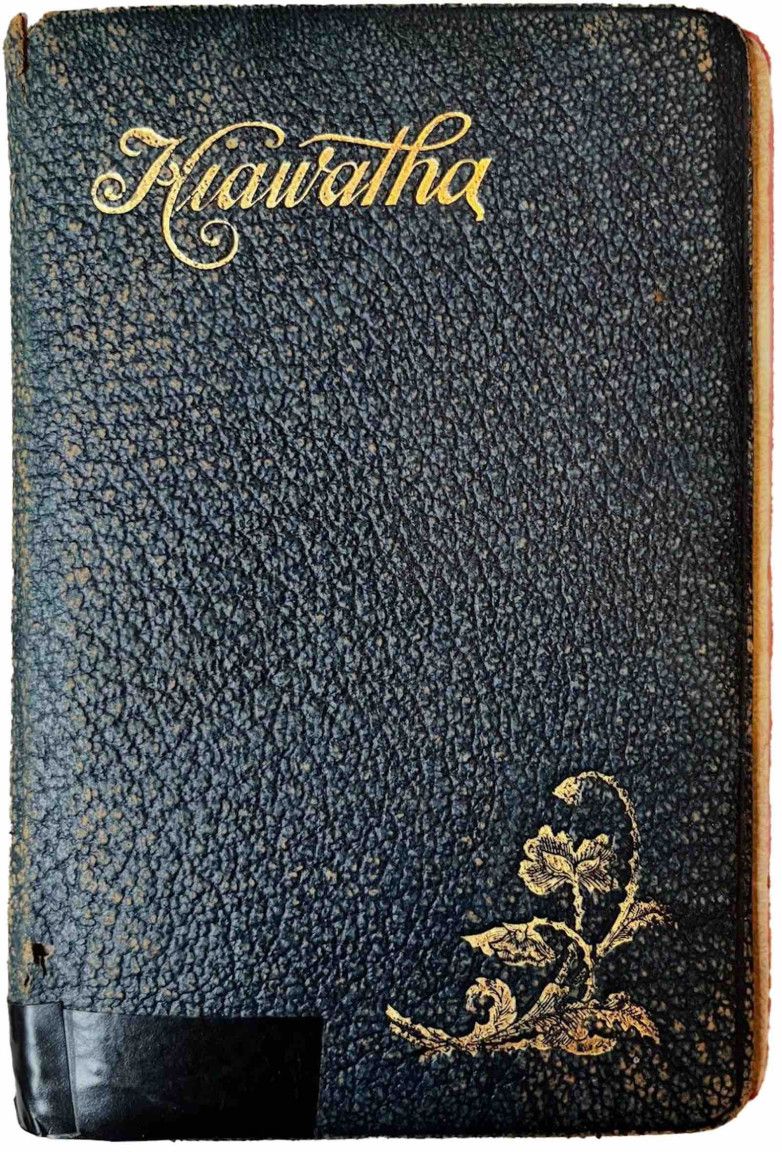
I doubt my modest collection will pass muster, but below is The Song of Hiawatha, one book from my library that has special meaning, as it was given to me by my grandfather, Warren Benner, upon my graduation from high school. It was one of his favorites and bought it about the time it was published in 1890s when he was about my age. That was the start of my collection, which I continued during my four years at Berkeley, a great place for book collectors back in the day. I continued during my graduate work at Cambridge, MA, another great area for collecting. My interest is in American modern first editions. Favorite authors include Lewis, Cather, Steinbeck, Stegner, Paul Horgan, Tarkington, Crane, and Dreiser. —Theodore Craig
Training Your Own Bird Dog
Steve Spann
Training Your Own Bird Dog
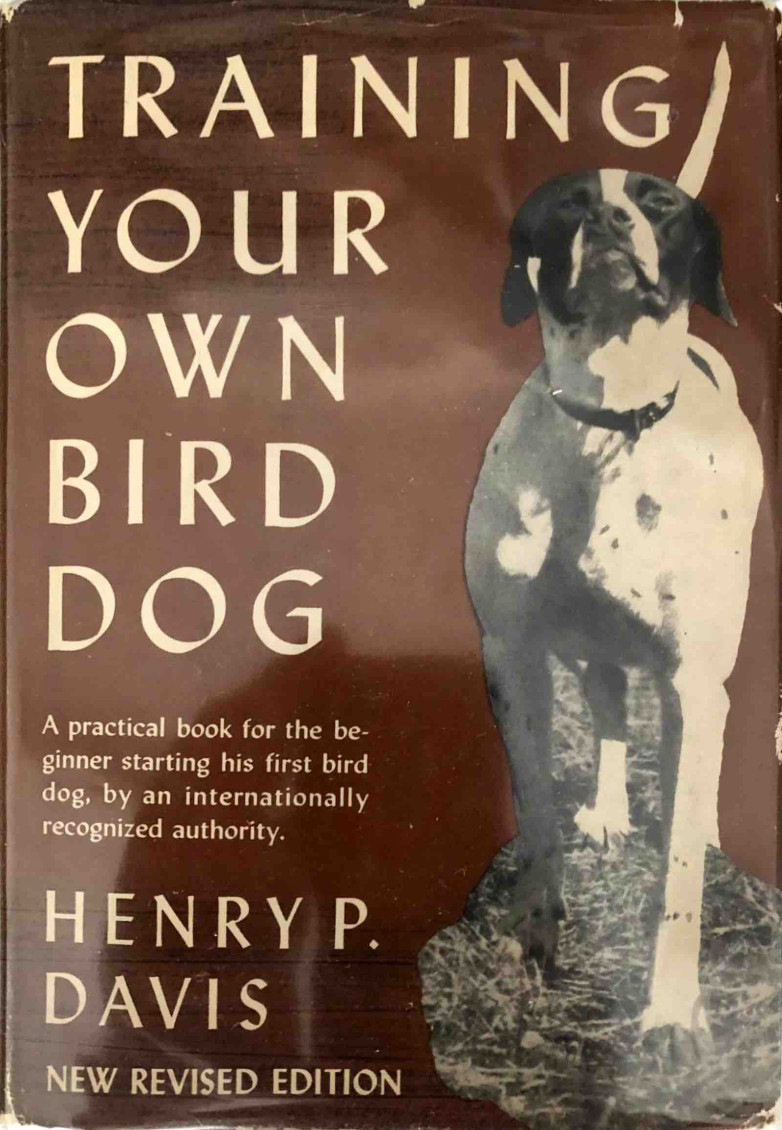
I am the director of an academic library at a small liberal arts college in Middle Tennessee. My parents are long-since deceased. I have two of their books. There is my mother's hardcover copy of a Webster's Dictionary, copyright 1968, which she used daily to solve word games in the local newspaper. There is my father's book Training Your Own Bird Dog, which he consulted frequently to train his long-haired English pointers to find quail. I have many fine books that I treasure, but none of them lie as close to my heart as these two. These are the only two books that I ever saw my parents buy and use. I think it is unusual that my parents created such a book person as myself. —Steve Spann
Chronicles of Bow Street Police-Office
Ralph Serino
Chronicles of Bow Street Police
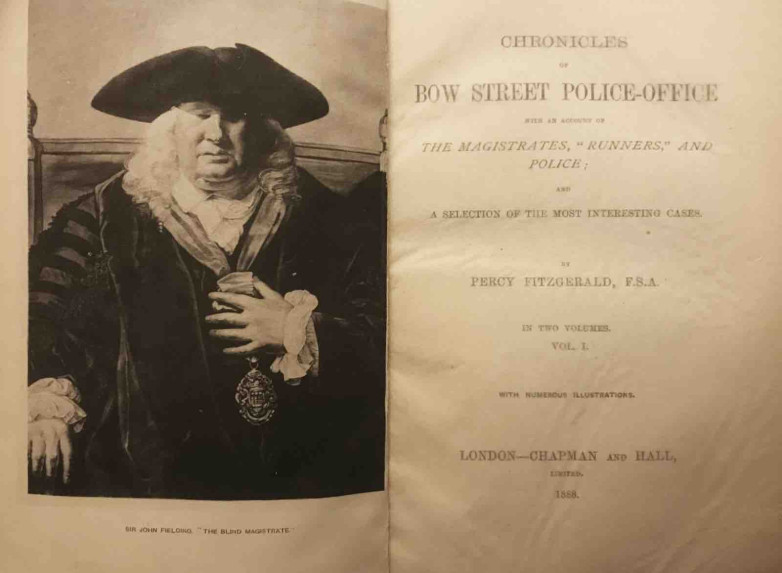
After enjoying the 11 books about the Bow Street Runners written by Bruce Alexander, I wanted to learn more about them. And so I was able to obtain a few original books and one court document. Author Henry Fielding and his blind half brother John Fielding created London’s first police force in the mid 1700s. —Ralph Serino