


What was the first book you bought for your collection?
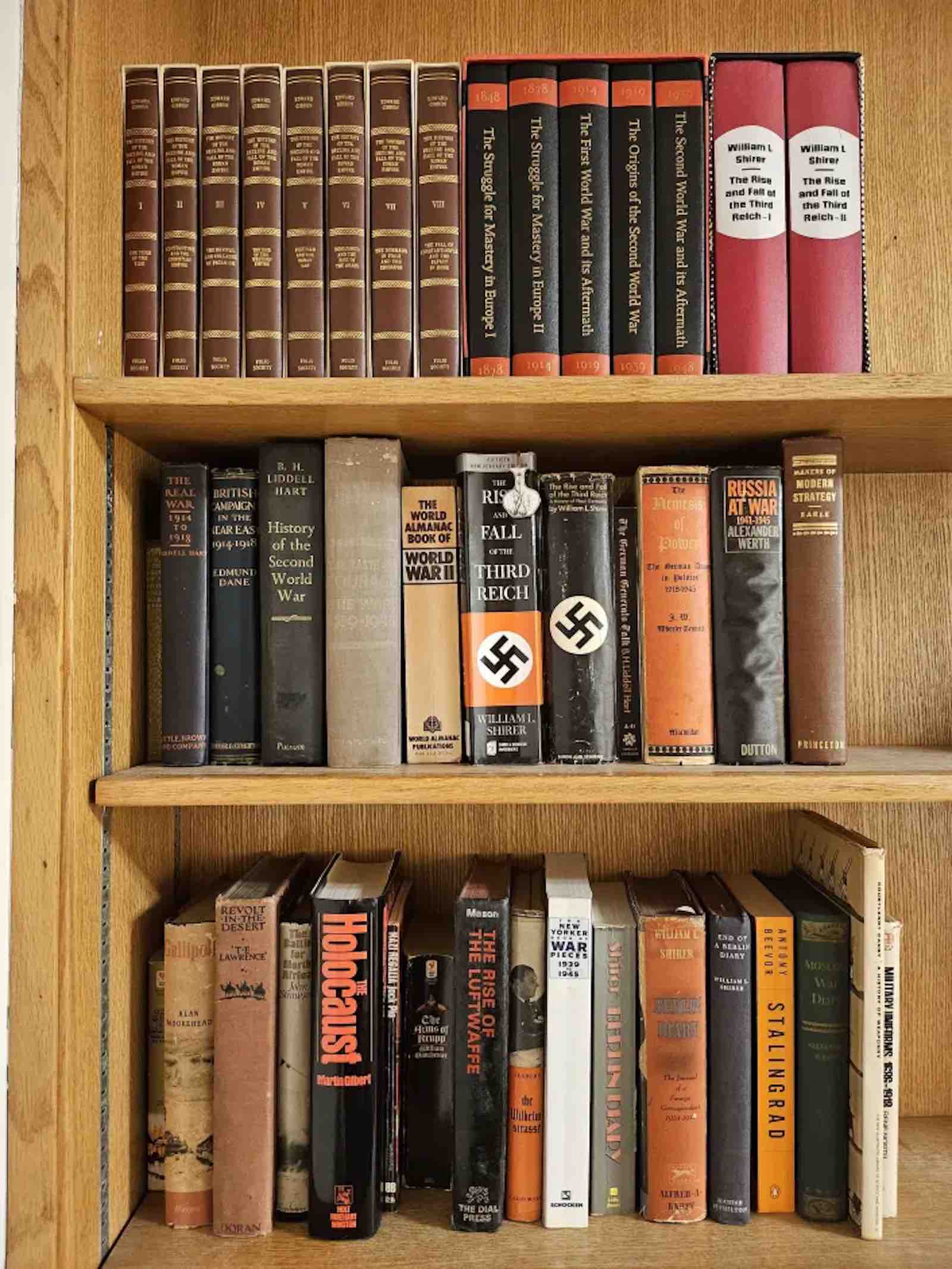
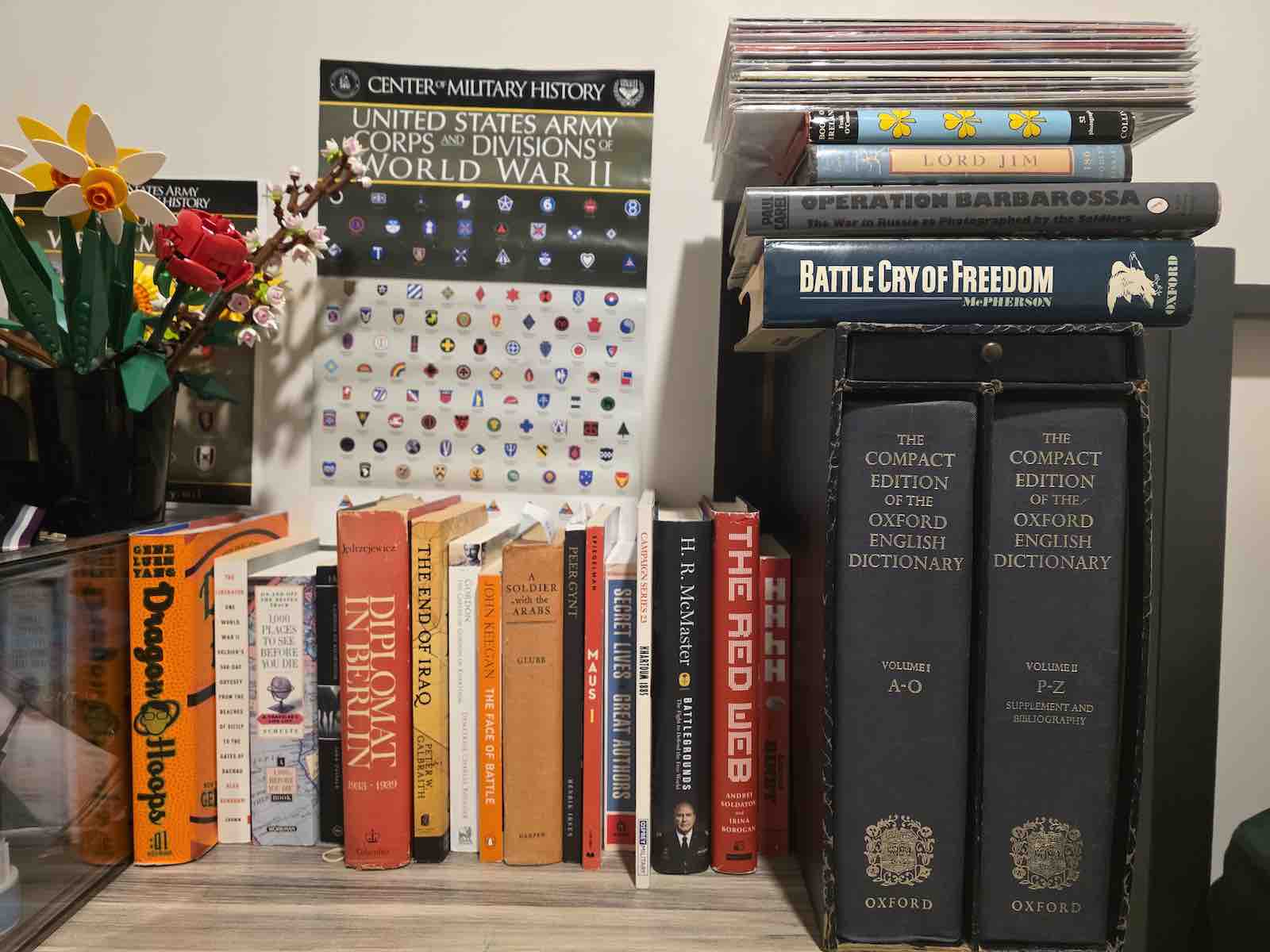
Although I bought military books before, I consider Berlin Diary, by William L. Shirer, the book that canonized my collection. When I was a high school junior, I shared my dreams of writing a war epic with my AP US history teacher. I wanted to understand the lives of civilians in Hitler’s Berlin. He told me to read Berlin Diary, which was written by CBS broadcaster William L. Shirer about his time in Berlin at the beginning of the war. What made Shirer’s war diary special was that he had intimate access to various historical figures, events, and institutions.
While on my regular weekend visits to The Lantern Bookstore during my freshman year of college, I stumbled upon a paperback version selling for only $6. The day I bought that book marked the day I became genuinely serious about writing my novel.
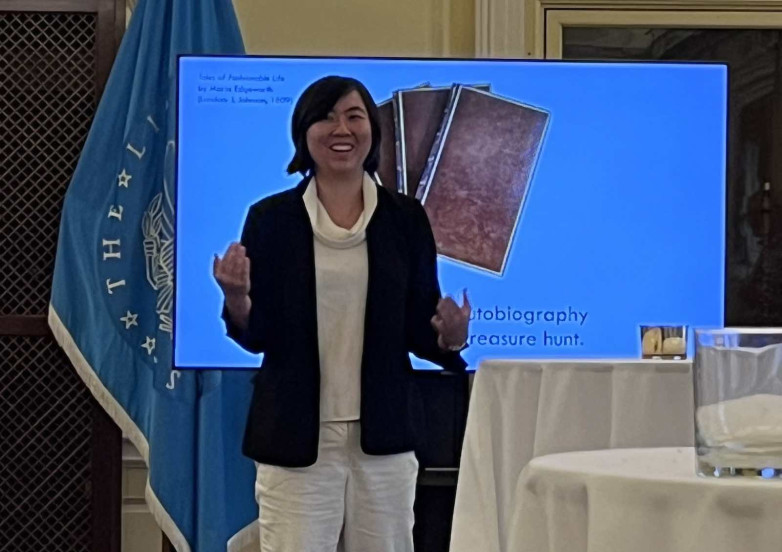
Shirer is the author I’ve collected the most from (nine books total). Of his works based on personal experiences, I own first editions of everything except for The Start, the first book in his memoir trilogy, 20th Century Journey. For the 80th anniversary of VE Day, I partnered with Georgetown’s special collections to host an exhibition of my Shirer collection in Lauinger Library.
How about the most recent book?
My most recent book is a PDF of Nobel prize-winning journalist Svetlana Alexievich’s Zinky Boys, a collection of oral histories by Soviet soldiers who fought in the Soviet-Afghan War. Alexievich’s oral histories include some of the most vivid prose I’ve ever read, evoking the emotions of war in all its beauty and horror through its simple, individual-centric stories. The Unwomanly Face of War is a book I believe every woman should read in their lifetime, examining intricate themes such as women and masculinity, the male perspective, and women’s duty to the country. After finishing Zinky Boys, I will have read all of Alexievich’s war histories.
And your favorite book in your collection?
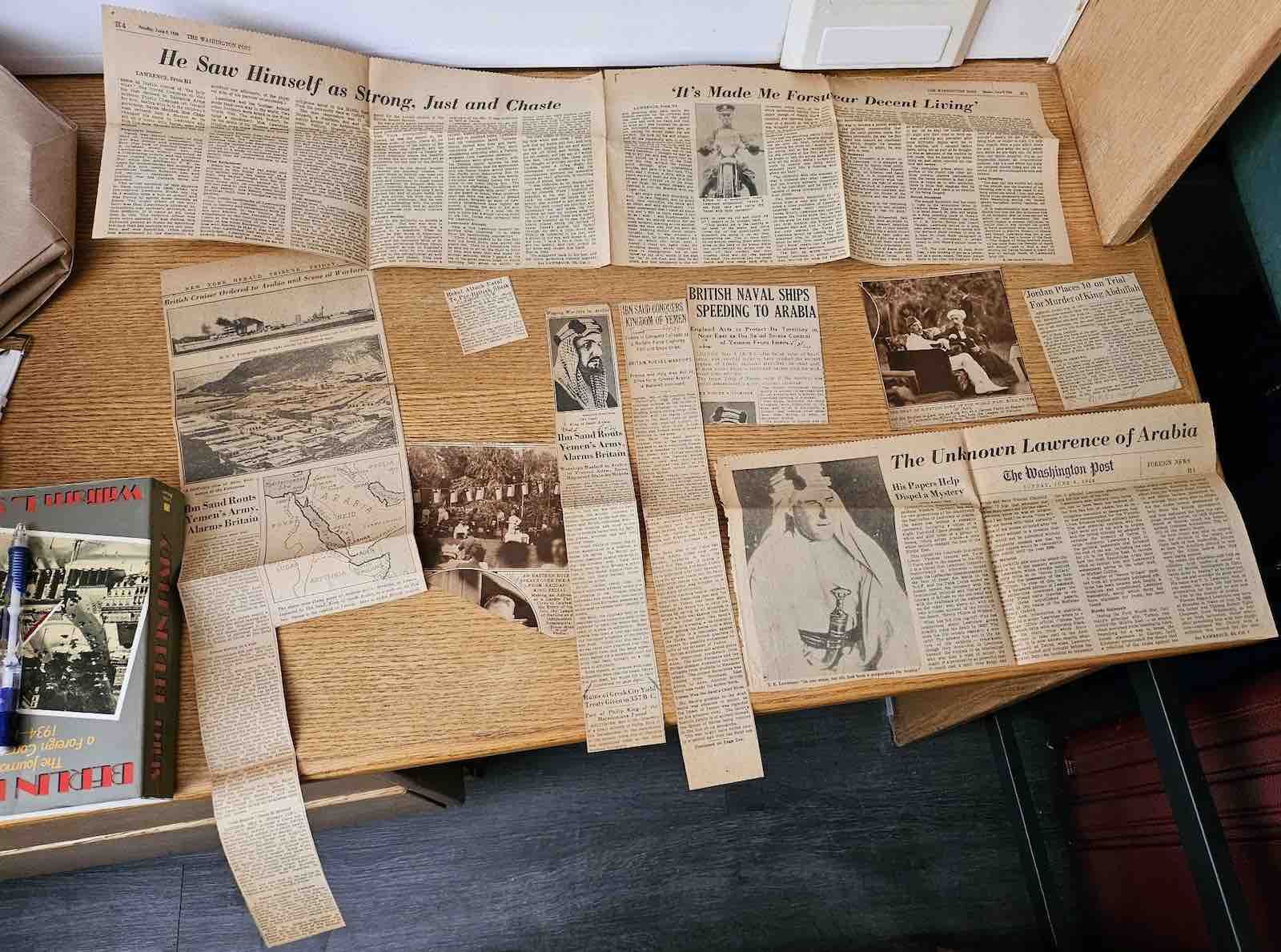
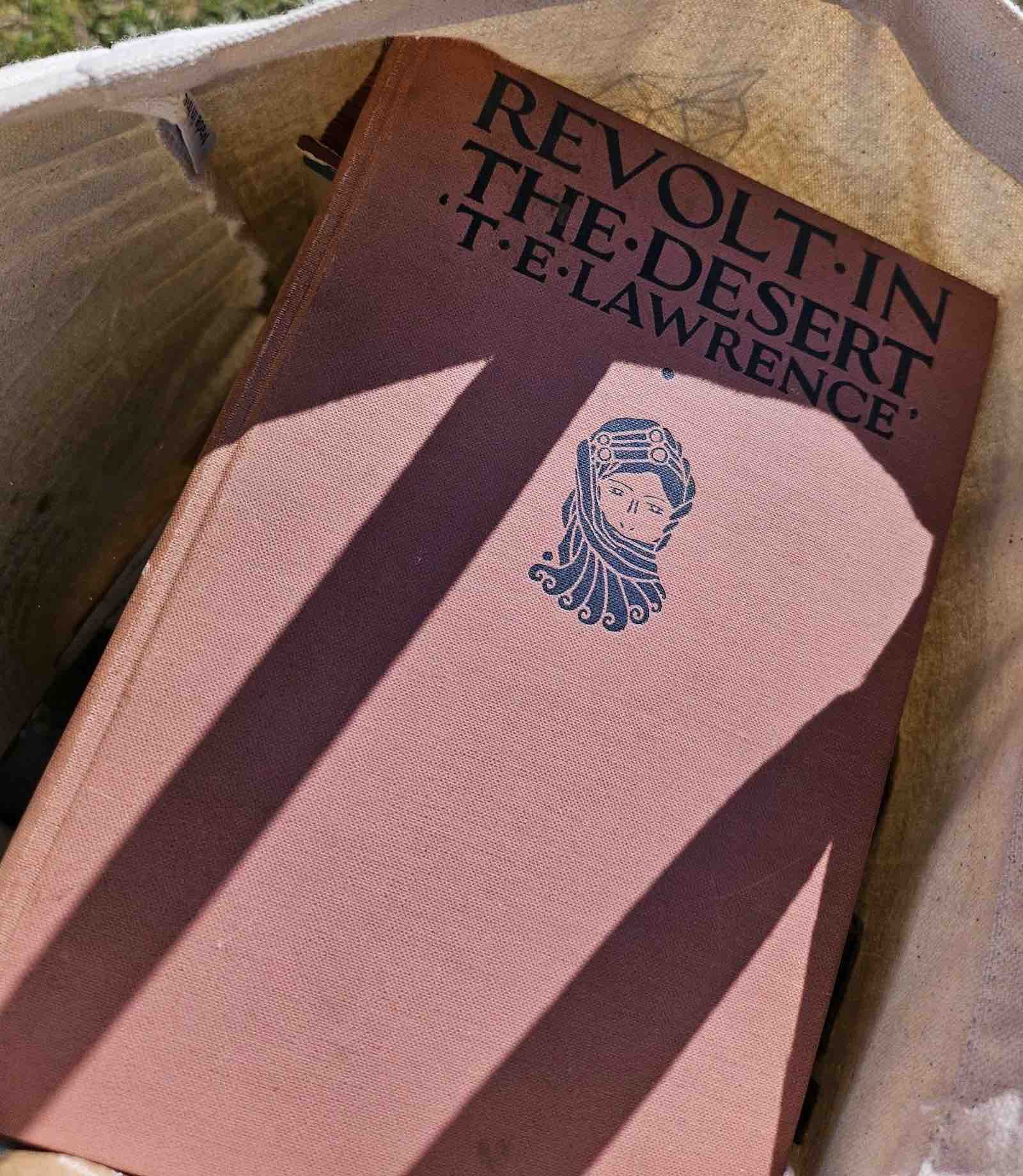
My favorite book is Revolt in the Desert, a memoir written by Colonel T.E. Lawrence, the British liaison officer to Prince Faisal during the Arab Revolt in WW1. I’ve written extensively about the various editions of Lawrence’s memoirs, its significance to me, and my journey to find my specific copy in Georgetown’s special collections blog and my NCBCC essay.
Best bargain you’ve found?
I regularly visit the bookstore in Dove Library in Carlsbad (North County San Diego), called Friends of the Carlsbad Library. It is run by volunteers who sell donated books to fundraise for library programs and acquisitions. I encountered a complete set of first editions, with dust jackets, of Winston Churchill’s six-volume history, The Second World War, selling for only $15.
I’ve discovered that used bookstores have a wider variety of texts but price books more accurately. Library stores price their books cheaply, but it is more difficult to find the desired book. Book collector estate sales are treasure troves for rare texts at low prices, but occur only once in a blue moon.
How about The One that Got Away?
In spring of freshman year, I found a first edition of The Rape of Nanking signed by Iris Chang, the famous journalist who introduced the Nanking Massacre to the Western World, in the rare books section of The Lantern Bookstore. It was recently marked down from $100 to $50 since it had remained unsold for a few years, which surprised me as Chang had committed suicide under semi-mysterious circumstances two decades ago.
In 10th grade, The Rape of Nanking became the first book about mass atrocity I’ve ever read. It was my introduction to war as something sinister as opposed to merely tragic. This book ignited my interest in understanding the psychological and philosophical relationship between war and the individual, the foundation for what I want to explore in my own novel.
One day, the bookstore was hosting a half-price book store where I nearly picked up the book, but decided that $25 was still too much for me and gambled the book would remain unsold. The day after receiving the $2,500 check from winning the NCBCC, I returned to the bookstore to check if the book was still there, but it had been sold over the summer.
What would be the Holy Grail for your collection?
Unrealistically, one of the eight 1922 editions of T.E. Lawrence’s Seven Pillars of Wisdom (Oxford Text). Even more unrealistically, Lawrence’s incomplete 250,000-word first draft (Text I), which he supposedly lost at Reading Station in December of 1919.
Who is your favorite bookseller / bookstore?
This is a very difficult question, as I visit many different bookstores that are unique in their own way. I don’t think I can pinpoint an exact favorite, but I found the book-selling scene in Wasat al-Balad, Amman, fascinating when I studied abroad in Jordan. It was a barter economy that included everyone from major retailers to vendors who spread their books across the sidewalk. It was obvious that most of the books were pirated prints from their grainy covers and unconventional sizing. Moreover, taboo books ranging from Haunting Adeline to Mein Kampf were openly displayed on shelves.
What would you collect if you didn’t collect books?
Nothing, as I do not find anything else worthwhile collecting. I buy books for their content.