


Describe a typical day for you:
There is no typical day in this business. The only times when there’s a certain routine are when I’m preparing catalogues. During those weeks, my days are spent selecting, studying, and cataloguing the books that will be included in the bookshop catalogues. Even then, I often receive clients or someone calls or sends na email about potential collections for sale.
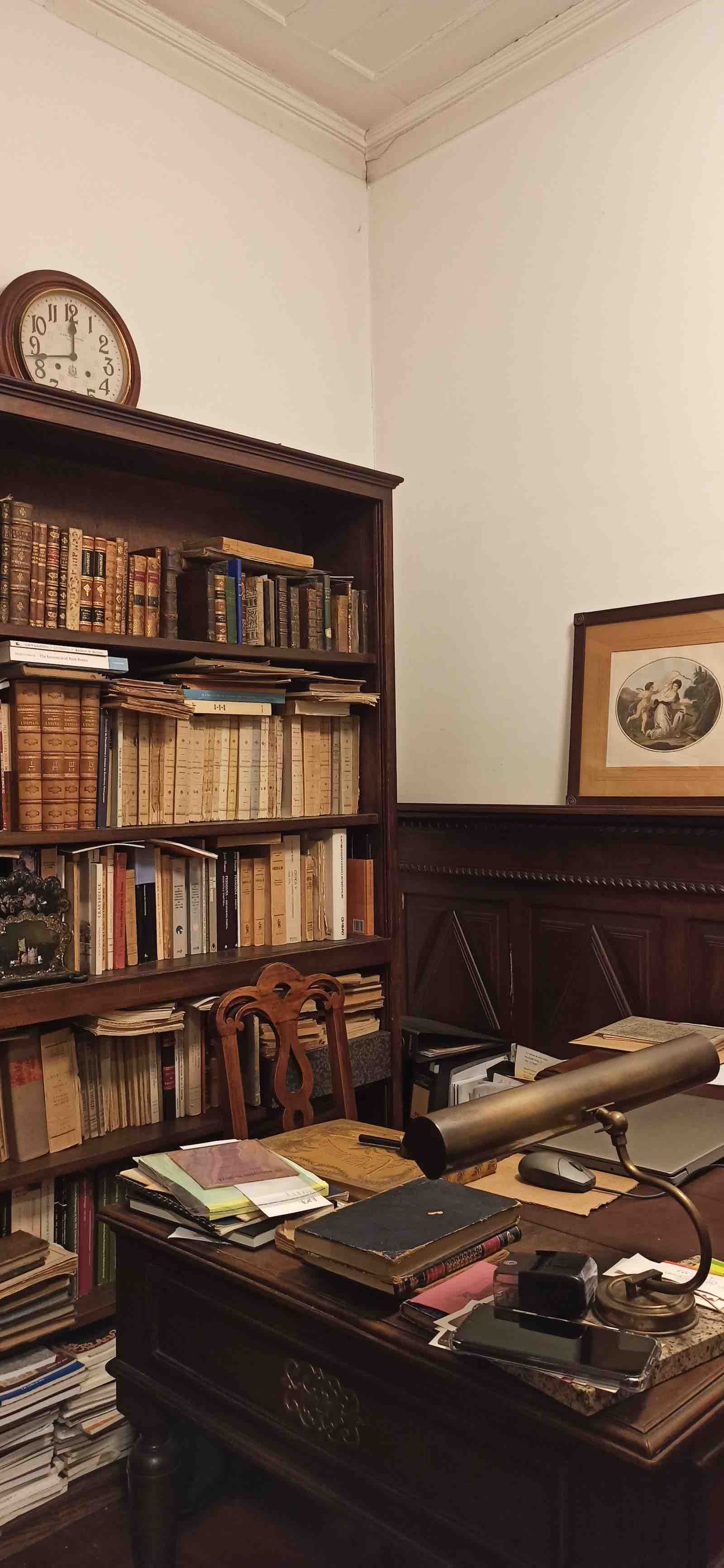
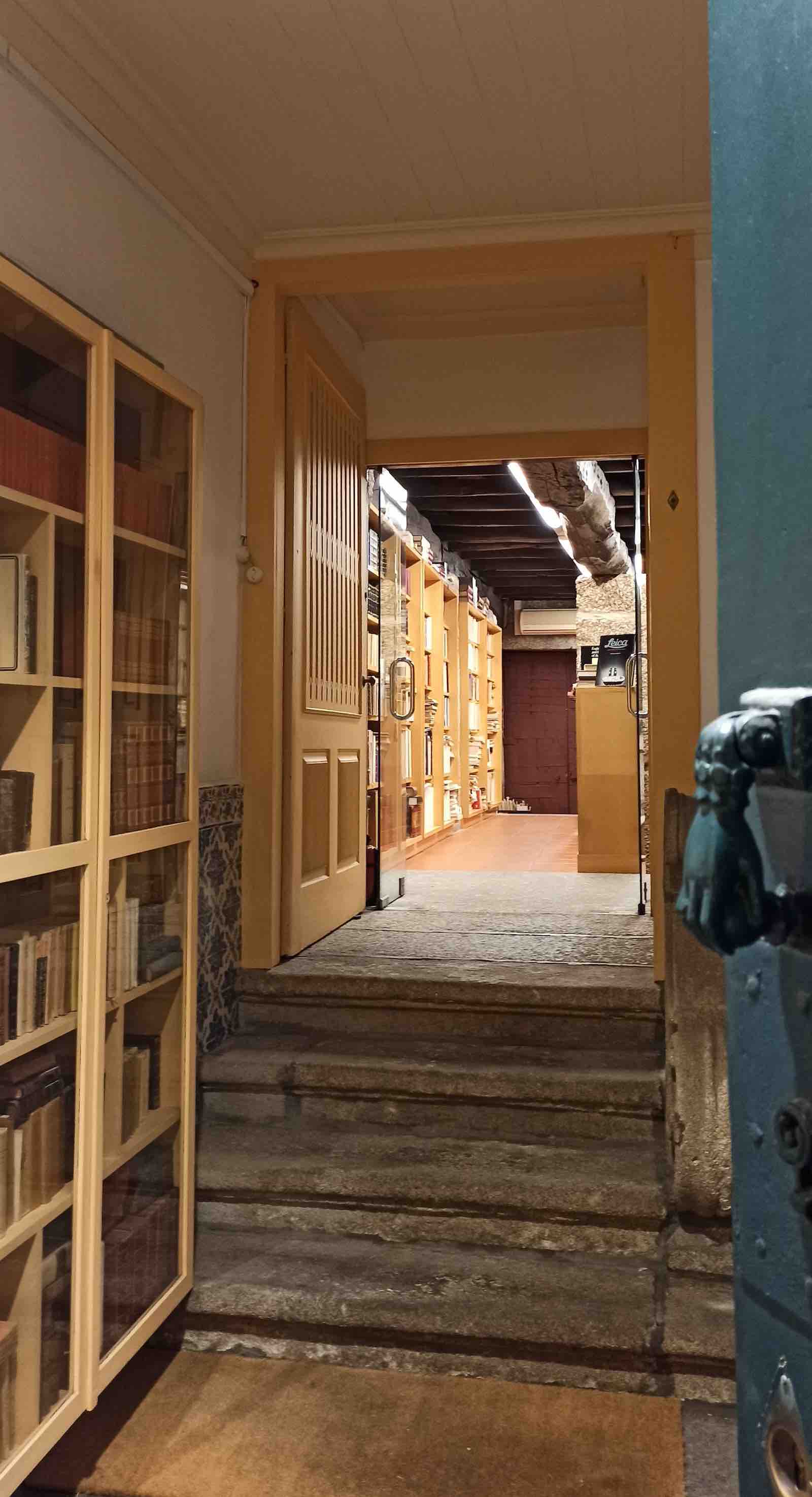
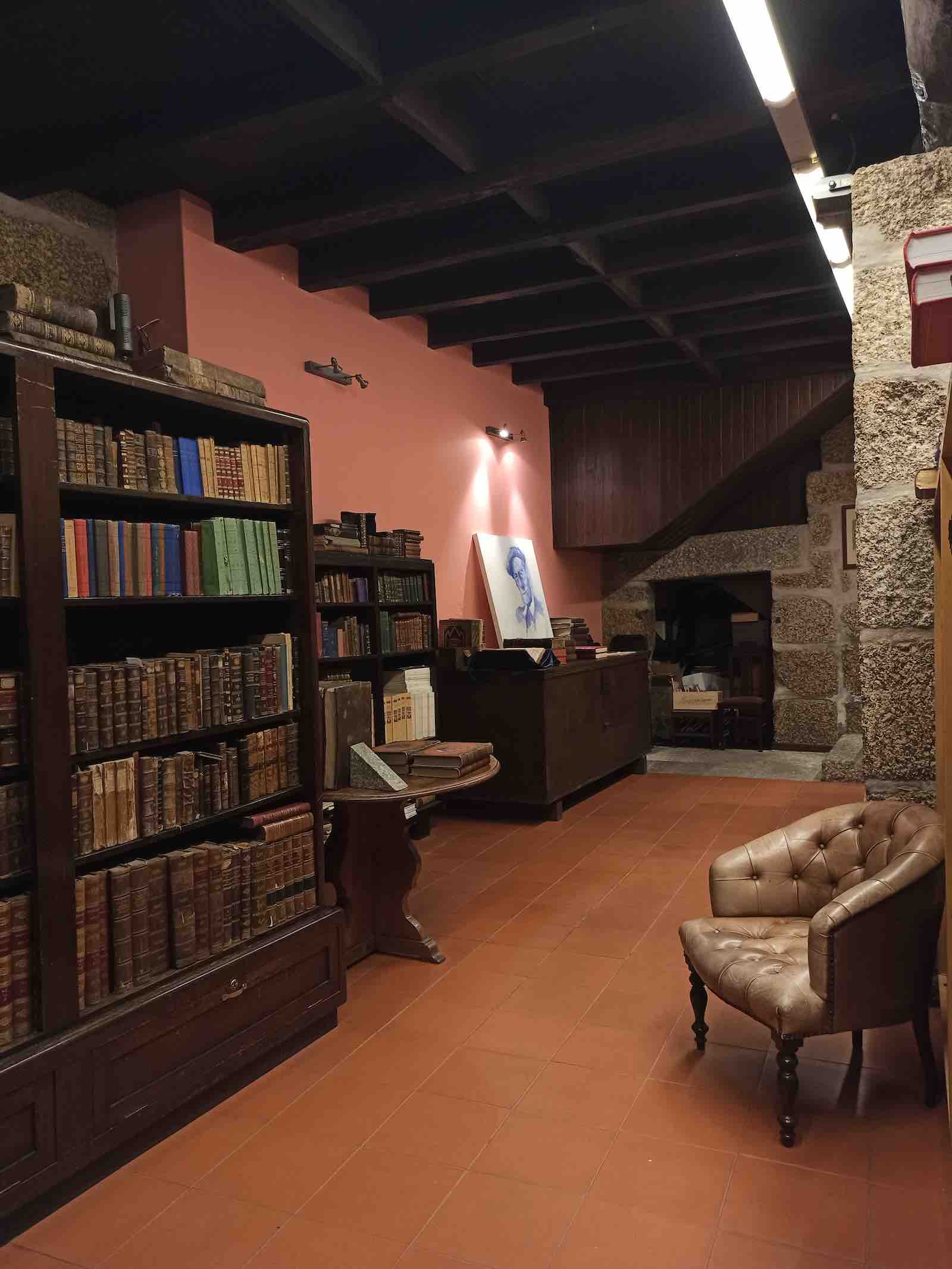
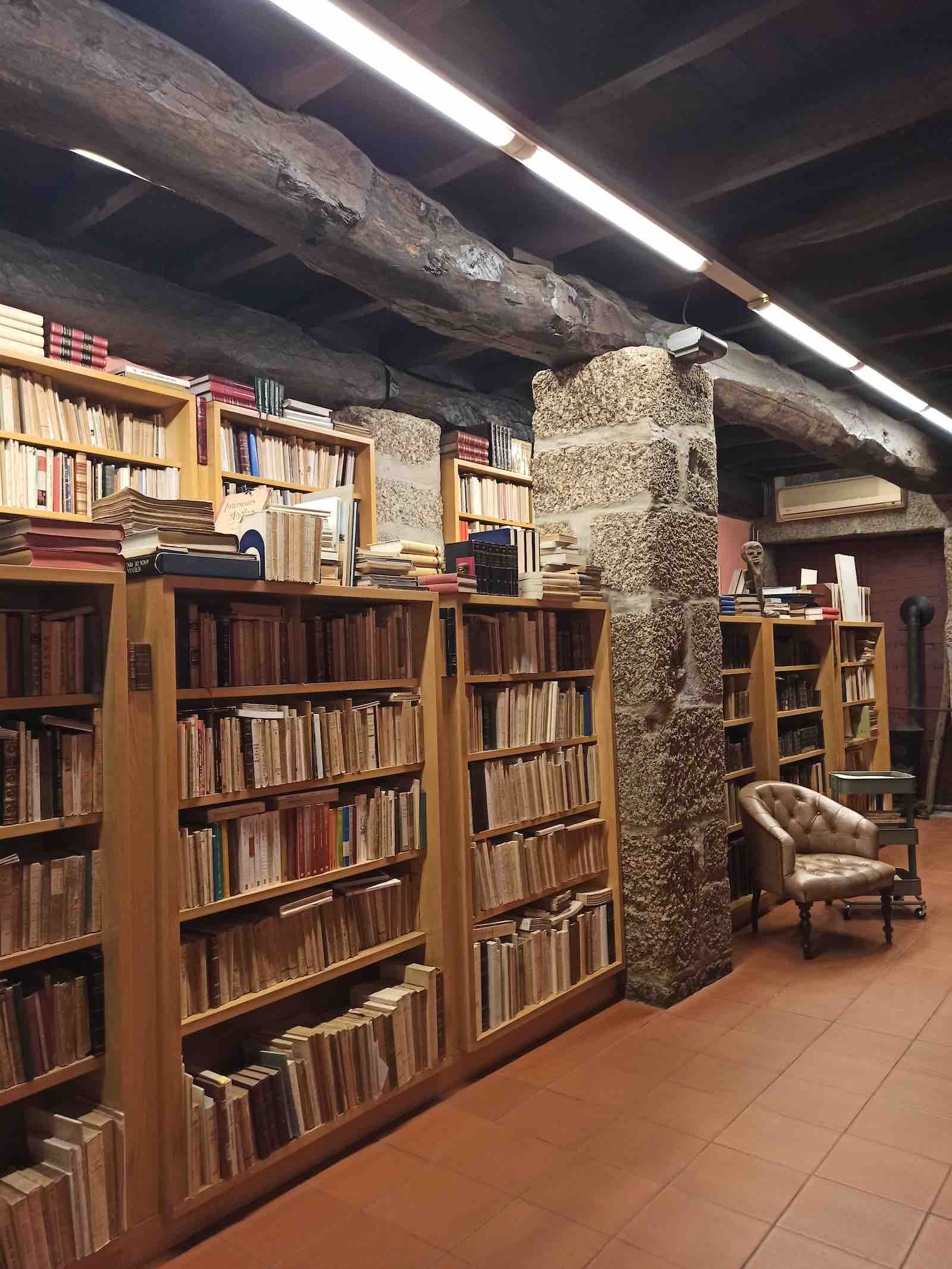
Aside from that, my days are spent studying the books and manuscripts I have, cataloguing new acquisitions and visiting collections and private libraries that might interest me. I usually work alone so I have to do almost everything in the bookstore.
This lack of routine is great in one sense, but it also makes the job more demanding, long hours during the week and even on weekends. But it’s all of this that makes the work so interesting.
Favorite rare book (or ephemera) that you’ve handled?
It’s hard to choose, but here are a few remarkable books I’ve handled. Luz da Liberal e Nobre Arte da Cavalaria which is a beautifully illustrated 18th century treatise on horsemanship, the first edition of O Segredo da Morta (the first Angolan novel, written in Portuguese and Kimbundu), O Império do Brasil by La Beaumelle which is the first history of Brazil published in Brazil after independence, Un discurso del Chocolate (a pioneering work on the subject that I discovered during an appraisal in Lisbon and which the owners sold through ANNO Auctions, where I also work as a consultant), a 17th century edition of Gracias y Desgracias del Ojo del Culo (a satirical work by Francisco de Quevedo published anonymously) and the first edition of Embryões by Teixeira de Pascoaes (the first book published by one of my favorite poets, who later rejected it and destroyed the vast majority of the edition).
Beyond these, I’ve handled first editions by major Portuguese and Brazilian authors and several rare pamphlets that I loved studying and cataloguing.
From another perspective, one book that truly touched me was an inexpensive facsimile published in 2000 of João de Deus’s 1876 Cartilha Maternal, a schoolbook for children to teach them how to read and write Portuguese. What makes that facsimile so special is that it had been used by a female migrant from India to learn Portuguese, probably in 2015/2020. It contains several handwritten notes, probably in Gujarati, beneath the letters of our alphabet.
The story is moving because it shows how a teaching method from around 1876 was still useful in the 2000s. And it also shows the effort of someone who wants to learn a language and who, possibly because she had no other way to do so, does not turn to official institutions such as school but to a book bought in a secondhand bookshop. It’s one of those stories that reveals a beautiful side of the relationship between people and books.
What do you personally collect?
I collect books about books and old antiquarian bookseller catalogues. I’m also interested in works related to Guimarães where I was born and where I live and work, and Cape Verde where I have roots, and in books and pamphlets concerning 19th century Portuguese history.
What do you like to do outside of work?
I enjoy spending time with family and friends, preferably around the table (I’m a lover of good food). I also like going to the cinema, to concerts, and to museums, and lately, whenever possible, I try to travel. I live in Guimarães, a small town (a UNESCO World Heritage Site) with a lively cultural scene, so there’s always something to do. And, of course, I love to read.
You are the first Portuguese bookseller we have interviewed for this series. Could you please tell our readers a bit about the rare book trade in Portugal?
The rare book trade in Portugal has a long history. At least since the 19th century, there has been a consolidated trade, both with major antiquarian booksellers and individuals or general bookshops selling old books.
Anyone familiar with Portuguese history knows that the Portuguese were pioneers during the Age of Exploration and therefore some of the most important books about that period of world history were written by Portuguese authors. We also had periods of great prosperity such as in the 18th century which allowed for the creation of excellent libraries containing some of the finest works from across Europe and the World. Portugal has always served as a bridge between the Lusophone countries and parts of the East. As a result, extraordinary and globally significant books can still be found here. Those books are still the highlight of our trade.
I think that the rare book trade in Portugal is somewhat behind what it should be in terms of sector organization and regarding the connection of traders with institutions (public libraries, archives, and universities). There are some major antiquarian booksellers in Portugal with inventories that would be remarkable anywhere in the world, but the sector is not organized. There is no Portuguese Association of Antiquarian Booksellers, for example. As a sector, we need to hold more antiquarian book fairs and promote bibliophilia more actively.
Another negative aspect is that unfortunately, unlike what happens in other countries, public institutions play a little role in the purchase of books and manuscripts, and they also rarely sell. So, although there are occasional acquisitions and good personal relationships between librarians and booksellers, institutions remain distant from the trade, which is bad for all parties.
The vast majority of antiquarian booksellers work alone or with one assistant and occasional help from experts, and that makes the work extremely demanding. It should be noted, however, that in Portugal there are excellent booksellers, and the trade is vibrant and diverse. Recently, the Antiquarian Book Fair of Coimbra began to be held annually, filling an important gap and bringing more dynamism to the business.
Most of the best antiquarian bookshops are located in Lisbon and Porto, though there are also very good booksellers outside these two major urban centers. There are large private libraries in Portugal, great collectors, bibliophiles, and skilled booksellers, therefore, there is enormous potential waiting to be explored. Anyone visiting Portugal will certainly be surprised by what they can find in our antiquarian bookshops. I have no doubt about that!
Thoughts on the present state and/or future of the rare book trade?
I believe it’s a business with a future. Books matter for their content, but they also attract for their material qualities such as the binding, an author’s signature, a previous owner’s inscription, the provenance, or something unique that speaks to the buyer. So there’s a vast group of people who are willing to buy rare and antique books for many different reasons.
There’s also new energy through social media and other channels that’s helping promote the trade. Furthermore, everybody who collects books has a sense of belonging to a different and distinctive world, and that continues to attract people and it won’t disappear.
However, we must consider several changes. Nowadays, a major antiquarian bookseller is also a curator, of their shop, of their catalogues, and often of the collections they help build. This has always existed to some extent, but it’s becoming increasingly necessary for success. That old image of the antiquarian bookseller buried under piles of unorganized books, waiting for a customer to walk in, is charming, even romantic, but although such shops remain popular, it’s no longer a viable business model, at least in Portugal.
There are also external factors that can affect the market directly. The most obvious is technology. But there are others like housing issues. As living spaces become smaller and more expensive, there’s less room to build large private libraries. The new generations also have different prespectives about work, about leisure and about how they manage their time and that could bring changes, whether negative or positive, to this business.
Still, new collectors, bibliophiles, and researchers continue to emerge, ensuring the trade’s future. That’s why I remain optimistic.
Any upcoming fairs or catalogs?
Recently, I updated a page with a small catalogue of old and rare books.
From November 6 to November 9, I’ll be at the II Antiquarian Book Fair of Coimbra.